General information only. Stay off wet or damaged roofs. An on-site assessment and written agreement determine the actual project scope.
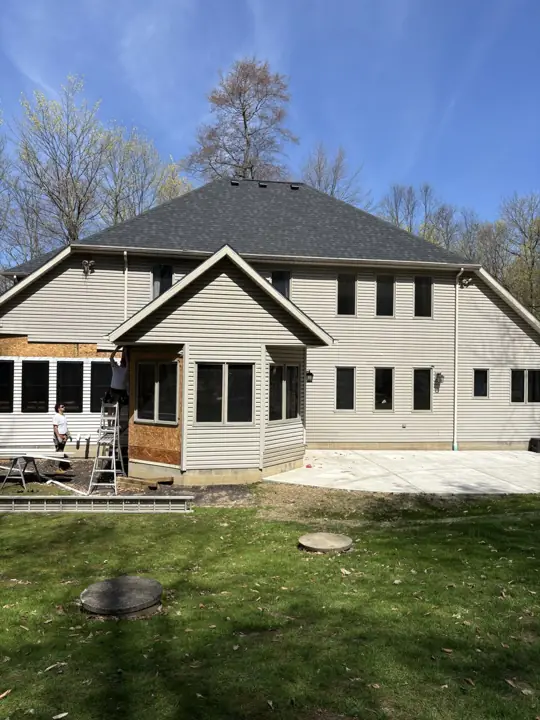
A ceiling stain can feel like proof that the whole roof has failed. It is not. A leak may come from loose flashing or one damaged area. Widespread failure is a different problem.
The safest first step is to document what you can see. Do that from the ground and inside the home. Then compare the findings with a qualified on-site inspection.
Signs your roof needs a closer look
Check the roof from a safe place after severe weather. Also look during spring and fall. The National Roofing Contractors Association recommends twice-yearly checks.
- Shingles are missing, cracked, curled, warped, or loose.
- Flashing looks shifted, loose, rusted, or open at seams.
- Granules collect heavily in gutters or at downspouts.
- A roof section looks uneven or appears to sag.
- Water stains, peeling paint, or damp spots appear indoors.
- The same leak returns after earlier repair work.
These signs show that an inspection is useful. They do not prove replacement by themselves. Do not climb onto the roof to settle the question.
When a repair may be enough
A repair may fit when damage is limited and the surrounding roof remains sound. Examples include one loose flashing detail or a small damaged section.
The cause matters more than the stain's size. Water can travel before it becomes visible indoors. Ask the inspector to trace the entry point.
Also ask whether nearby materials can support a durable repair. A small patch may not solve widespread aging or repeated failures.
When replacement becomes the stronger question
Replacement deserves discussion when problems span several roof areas. It also deserves review after repeated repairs fail.
Other concerns include widespread material breakdown or an unsound roof deck. Poor fit between the roof system and home can also matter.
Age adds context, but age alone should not decide the project. Roof types have different service lives. Weather, design, materials, installation, and maintenance all affect useful life.
Ask for findings that connect each proposed action to visible conditions. That makes repair and replacement options easier to compare.
What to check after a Northeast Ohio storm
Wait until conditions are safe. Check for missing materials and fallen debris from the ground. Look inside for new stains or active water.
Take clear photos before temporary work begins. Save repair receipts and contact your insurer when damage may be covered.
Avoid contractors who arrive unasked and demand an immediate decision. The Federal Trade Commission recommends checking insurance and references. It also recommends multiple written estimates.
Questions to ask during a roof estimate
A useful proposal explains more than the final price. Ask for these items in writing:
- What damage was found, and where is it located?
- Why is repair or replacement being recommended?
- Which roof covering, manufacturer, and color are included?
- Will existing materials be removed or covered?
- What flashing, ventilation, and deck work is included?
- Which items are excluded from the scope?
- Who handles damage to landscaping or interior finishes?
- What schedule and payment steps are proposed?
- Which material and workmanship warranties apply?
Compare the same scope across proposals. A lower number may exclude important work. A written scope makes those differences visible.
Prepare before the inspection
Write down when each symptom began. Note whether it followed wind, hail, or heavy rain. Gather safe photos and prior roof records.
Use Solo's exterior estimate checklist to organize those details. You can also review the roofing service page before requesting a visit.
Sources used for this guide
- National Roofing Contractors Association homeowner resources
- Federal Trade Commission home improvement guidance